Are tube clamps suitable for low - temperature applications?
As a tube clamp supplier, I often receive inquiries from customers about the suitability of our tube clamps for various applications, especially those involving extreme conditions. One such condition that frequently comes up is low - temperature environments. In this blog post, I will explore whether tube clamps are suitable for low - temperature applications, taking into account factors such as material properties, design considerations, and performance requirements.
Material Properties
The choice of material for tube clamps is crucial when it comes to low - temperature applications. Different materials have different responses to cold temperatures, which can significantly affect the performance and durability of the clamps.


Some common materials used for tube clamps include steel, stainless steel, brass, and plastic. Let's evaluate each of these materials based on their behavior in low - temperature settings.
Steel: Steel is a widely used material for tube clamps due to its strength and durability. However, at low temperatures, steel can become brittle. This phenomenon is known as cold embrittlement. When steel experiences cold embrittlement, its ability to absorb energy and resist cracking is significantly reduced. As a result, the risk of the tube clamp breaking under stress is higher in low - temperature environments. To mitigate this risk, special types of steel, such as low - temperature carbon steel or alloy steel, can be used. These materials are designed to maintain their toughness and ductility at low temperatures.
Stainless Steel: Stainless steel is another popular choice for tube clamps, especially in applications where corrosion resistance is required. Compared to regular steel, stainless steel generally has better low - temperature performance. Austenitic stainless steels, in particular, are known for their excellent toughness at low temperatures. They are less prone to cold embrittlement and can withstand a wide range of low - temperature conditions. However, the cost of stainless steel is usually higher than that of regular steel.
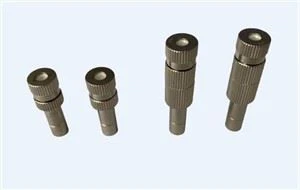
Brass: Brass is a copper - zinc alloy that offers good corrosion resistance and malleability. In low - temperature applications, brass retains its ductility and does not suffer from cold embrittlement to the same extent as steel. It is also relatively easy to machine, which makes it a suitable material for tube clamps with complex geometries. For example, our Humidification System Brass Connecting Fitting and Brass Nozzle Extension Rod are made of high - quality brass, which can perform well in low - temperature environments.
Plastic: Plastic tube clamps are lightweight and cost - effective. Some plastics, such as polycarbonate and polypropylene, have good low - temperature properties. They can remain flexible and tough at low temperatures, making them suitable for certain low - stress low - temperature applications. However, plastic is generally less strong than metal materials, so it may not be suitable for high - load or high - pressure applications.
Design Considerations
In addition to material selection, the design of the tube clamp also plays an important role in its suitability for low - temperature applications.
Clamping Force: At low temperatures, the material of the tube and the clamp may contract, which can affect the clamping force. A well - designed tube clamp should be able to maintain a consistent clamping force even as the temperature changes. This can be achieved through proper design of the clamping mechanism, such as using a spring - loaded or adjustable design.
Geometry: The geometry of the tube clamp can also impact its performance in low - temperature environments. Sharp corners and edges can act as stress concentrators, increasing the risk of cracking. A smooth and rounded design can help distribute stress more evenly and reduce the likelihood of failure.
Thermal Expansion and Contraction: Different materials have different coefficients of thermal expansion. When a tube clamp and the tube it is clamping are made of different materials, the difference in thermal expansion can cause problems. For example, if the tube expands or contracts more than the clamp, the clamping force may change, or the tube may become loose. Therefore, it is important to consider the thermal expansion properties of both the tube and the clamp when designing for low - temperature applications.
Performance Requirements
The specific performance requirements of the low - temperature application also need to be considered when determining the suitability of tube clamps.
Load Capacity: In some low - temperature applications, the tube clamps may need to support heavy loads or withstand high pressures. In such cases, the material and design of the clamp must be able to provide sufficient strength and stability. For example, in cryogenic applications where extremely low temperatures are involved, the tube clamps need to be able to hold the tubes firmly without deformation or failure.
Corrosion Resistance: Low - temperature environments may also expose the tube clamps to moisture or other corrosive substances. Therefore, corrosion resistance is an important factor to consider. As mentioned earlier, stainless steel and brass are good choices for applications where corrosion resistance is required.
Vibration and Shock Resistance: In some low - temperature applications, the tubes may be subject to vibration or shock. A suitable tube clamp should be able to withstand these dynamic forces without loosening or breaking. Design features such as anti - vibration gaskets or shock - absorbing materials can be incorporated into the clamp to improve its performance in such conditions.
Conclusion
In conclusion, tube clamps can be suitable for low - temperature applications, but it depends on several factors, including the material selection, design, and specific performance requirements of the application. As a tube clamp supplier, we offer a wide range of clamps made from different materials to meet the diverse needs of our customers. Our NOZZLE Extension and other tube - related products are carefully designed and manufactured to ensure their performance in various environments, including low - temperature settings.
If you are looking for tube clamps for low - temperature applications, or if you have any questions about our products, please feel free to contact us. We are dedicated to providing you with the best solutions and high - quality products to meet your specific requirements. Our team of experts is always ready to assist you in making the right choice.
References
- ASM Handbook, Volume 2: Properties and Selection: Nonferrous Alloys and Special - Purpose Materials, ASM International.
- Metals Handbook: Properties and Selection, Iron and Steels, American Society for Metals.
- Plastic Materials, by John A. Brydson, Butterworth - Heinemann.