As a misting fan supplier, I often get asked whether it's feasible to use a misting fan in a workshop. This is a crucial question that many workshop owners and workers ponder over, as the right cooling solution can significantly impact productivity, comfort, and even equipment longevity. In this blog, I'll delve into the technical aspects, benefits, potential drawbacks, and key considerations when using a misting fan in a workshop environment.
Technical Insights
Misting fans operate on a simple yet effective principle. They combine a fan's air - moving capabilities with a fine mist of water. The water droplets evaporate quickly, absorbing heat from the surrounding air and creating a cooling effect. The process is known as evaporative cooling.
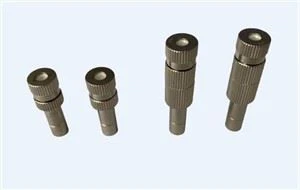
The misting nozzles are a critical component of the misting fan. Our misting fan nozzle is designed to produce a very fine mist. These nozzles atomize water into tiny droplets, which are then carried by the fan's airflow. The smaller the droplets, the faster they evaporate, and the more efficient the cooling process.
The pressure at which the misting system operates also plays a role. Low - pressure misting systems, like our Low Pressure Patio Misting System, are often sufficient for workshop use. They are cost - effective, easy to install, and can still provide a significant cooling effect.
Benefits of Using a Misting Fan in a Workshop
Temperature Reduction
Workshops can get extremely hot, especially when machinery is running. High temperatures can lead to discomfort among workers, which in turn can reduce productivity. A misting fan can effectively lower the temperature in the workshop. By evaporating water, it can bring down the ambient temperature by several degrees, creating a more comfortable working environment.


Improved Air Quality
The misting process not only cools the air but also helps in improving air quality. The water droplets can capture dust and other airborne particles, effectively filtering the air. This is particularly beneficial in workshops where there may be a lot of dust generated from cutting, grinding, or other manufacturing processes.
Energy Efficiency
Compared to traditional air - conditioning systems, misting fans are much more energy - efficient. They consume less electricity, which can result in significant cost savings over time. This is especially important for workshops, where energy costs can be a major expense.
Equipment Protection
High temperatures can also have a negative impact on workshop equipment. Overheating can cause machinery to malfunction or wear out more quickly. By keeping the workshop cool, a misting fan can help extend the lifespan of the equipment and reduce maintenance costs.
Potential Drawbacks
Moisture Buildup
One of the main concerns when using a misting fan in a workshop is moisture buildup. Excessive moisture can lead to rust on metal equipment, damage to electrical components, and even mold growth. However, this can be mitigated by proper ventilation and controlling the misting rate.
Water Usage
Misting fans do require a continuous supply of water. In areas where water is scarce or expensive, this can be a drawback. But with proper water management and the use of recirculating systems, water consumption can be minimized.
Key Considerations
Workshop Size
The size of the workshop is an important factor. Larger workshops may require multiple misting fans or a more powerful system to ensure adequate cooling. Our Outdoor Cooling System Brass Misting Fog Nozzles can be used to create a custom - designed misting network that can cover a large area effectively.
Ventilation
Good ventilation is essential when using a misting fan. It helps to prevent moisture buildup and ensures that the cooled air is circulated properly. Make sure the workshop has enough windows, vents, or exhaust fans to allow fresh air to enter and moist air to exit.
Equipment Sensitivity
If the workshop has sensitive equipment that can be damaged by moisture, special precautions need to be taken. For example, you can use a targeted misting approach, where the mist is directed away from the sensitive equipment.
Conclusion
In conclusion, using a misting fan in a workshop is a viable option with numerous benefits. It can provide effective cooling, improve air quality, and save energy. However, it's important to be aware of the potential drawbacks and take appropriate measures to address them.
If you're considering installing a misting fan in your workshop, I'd be more than happy to assist you. We offer a wide range of misting fan products and solutions tailored to different workshop needs. Whether you need a simple single - fan setup or a complex multi - fan system, we have the expertise to help you make the right choice. Contact us to start a procurement discussion and find the perfect misting fan solution for your workshop.
References
- ASHRAE Handbook - Fundamentals. American Society of Heating, Refrigerating and Air - Conditioning Engineers.
- Evaporative Cooling Technology: Principles and Applications. Various research papers on evaporative cooling systems.