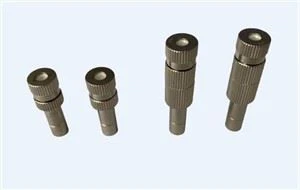
In the realm of fiber production, spinnerets play a pivotal role in determining the characteristics of the fibers produced. As a leading spinneret supplier, we are often asked about the differences between spinnerets for high - tenacity and low - tenacity fibers. Understanding these differences is crucial for manufacturers aiming to optimize their production processes and meet specific fiber quality requirements.
1. Basic Concepts of High - Tenacity and Low - Tenacity Fibers
High - tenacity fibers are characterized by their exceptional strength and resistance to breakage. These fibers can withstand high levels of stress and are commonly used in applications where durability is of utmost importance, such as in bulletproof vests, ropes, and high - performance textiles. On the other hand, low - tenacity fibers are relatively weaker and more flexible. They are often used in applications where comfort and softness are prioritized, like in clothing and bedding.
2. Design and Geometry Differences
The design and geometry of spinnerets for high - tenacity and low - tenacity fibers vary significantly. For high - tenacity fibers, the spinneret holes are typically smaller and more precisely engineered. Smaller holes help in achieving a higher degree of molecular orientation during the fiber extrusion process. When the polymer solution is forced through these small holes, the polymer chains are stretched and aligned in the direction of flow. This alignment results in a more crystalline structure within the fiber, which in turn enhances its strength.
In contrast, spinnerets for low - tenacity fibers usually have larger holes. The larger hole size allows for a more relaxed flow of the polymer solution, resulting in less molecular orientation. This leads to a more amorphous structure in the fiber, which gives it the desired flexibility and softness.
Moreover, the shape of the spinneret holes can also differ. High - tenacity fiber spinnerets may feature round or oval holes, which promote uniform flow and consistent fiber formation. For some specialized high - tenacity fibers, the holes might be designed with a unique cross - sectional shape to further enhance the fiber's performance. Low - tenacity fiber spinnerets, on the other hand, can have a variety of hole shapes, including irregular or multi - lobed shapes, to create fibers with different tactile and aesthetic properties.
3. Material Differences
The choice of materials for spinnerets also varies depending on the type of fiber being produced. For high - tenacity fibers, spinnerets are often made from high - quality materials that can withstand the high pressures and temperatures associated with the extrusion process. Tantalum is a popular choice for high - tenacity fiber spinnerets. Tantalum has excellent corrosion resistance, high melting point, and good mechanical strength. These properties make it ideal for handling the often - aggressive polymer solutions used in high - tenacity fiber production. You can learn more about Fiber Spinneret Tantalum and Tantalum Spinneret on our website.
In the case of low - tenacity fibers, spinnerets can be made from a wider range of materials, including stainless steel and certain polymers. Stainless steel is a cost - effective option that offers sufficient durability for the production of low - tenacity fibers. Polymer - based spinnerets can also be used, especially when a more flexible or custom - shaped spinneret is required.
4. Surface Finish and Quality
The surface finish of spinnerets is another important factor that differs between high - tenacity and low - tenacity fiber production. For high - tenacity fibers, a smooth and defect - free surface finish is essential. Any roughness or imperfections on the spinneret surface can disrupt the flow of the polymer solution, leading to uneven fiber formation and reduced strength. Therefore, spinnerets for high - tenacity fibers undergo a rigorous finishing process to ensure a high - quality surface.
For low - tenacity fibers, the surface finish requirements are relatively less strict. While a certain level of smoothness is still desirable, minor surface irregularities may not have a significant impact on the final fiber properties. This allows for a more cost - effective manufacturing process for low - tenacity fiber spinnerets.
5. Manufacturing Precision
The manufacturing precision of spinnerets for high - tenacity and low - tenacity fibers also varies. High - tenacity fiber spinnerets require extremely high precision during the manufacturing process. Even small deviations in hole size, shape, or alignment can have a substantial impact on the fiber's strength and quality. Advanced manufacturing techniques, such as micro - machining and laser drilling, are often used to ensure the highest level of precision.
In contrast, low - tenacity fiber spinnerets can tolerate a slightly lower level of manufacturing precision. Conventional machining methods are often sufficient for producing these spinnerets, which helps in reducing the production cost.
6. Cost Considerations
The cost of spinnerets is an important aspect to consider for fiber manufacturers. Spinnerets for high - tenacity fibers are generally more expensive than those for low - tenacity fibers. The high - quality materials, advanced manufacturing processes, and strict quality control required for high - tenacity fiber spinnerets contribute to their higher cost. However, the benefits of using high - quality spinnerets in terms of improved fiber strength and production efficiency can often justify the higher investment.
Low - tenacity fiber spinnerets, being less expensive, are a more cost - effective option for manufacturers producing fibers where high strength is not a primary requirement. The lower cost allows for more flexibility in production planning and can help in reducing overall production costs.
7. Application - Specific Requirements
The specific applications of high - tenacity and low - tenacity fibers also influence the design and performance of the spinnerets. High - tenacity fibers are used in applications where consistent performance under extreme conditions is essential. For example, in aerospace applications, fibers need to have high strength and resistance to fatigue. Spinnerets for these fibers are designed to ensure uniform fiber properties and high production rates to meet the strict requirements of the aerospace industry.
Low - tenacity fibers, used in consumer products like clothing, need to have a soft feel and good drape. Spinnerets for these fibers are optimized to produce fibers with the desired tactile and aesthetic properties. Special features, such as the ability to create fibers with different cross - sectional shapes, can be incorporated into the spinneret design to enhance the fiber's performance in these applications.
8. Innovation and Future Trends
The field of spinneret technology is constantly evolving, with new innovations being developed to meet the changing demands of the fiber industry. For high - tenacity fibers, researchers are exploring new materials and manufacturing techniques to further improve the strength and performance of the fibers. For example, the use of nanostructured spinnerets may allow for even greater control over the molecular orientation of the polymer chains, leading to fibers with unprecedented strength.
In the area of low - tenacity fibers, there is a growing trend towards the development of eco - friendly and sustainable spinneret technologies. For instance, the use of biodegradable polymers in spinneret manufacturing can help reduce the environmental impact of fiber production. Additionally, Micro - engineered Chemical Fiber Membrane Hollow Spinneret technology is being explored to produce low - tenacity fibers with unique properties, such as high breathability and moisture - wicking.
As a spinneret supplier, we are committed to staying at the forefront of these technological advancements. We work closely with our customers to understand their specific needs and provide them with the most suitable spinnerets for their fiber production processes. Whether you are looking for spinnerets for high - tenacity or low - tenacity fibers, we have the expertise and resources to meet your requirements.


If you are interested in learning more about our spinneret products or have specific requirements for your fiber production, we encourage you to contact us. Our team of experts will be happy to discuss your needs and provide you with detailed information and solutions. Let's work together to optimize your fiber production and achieve the best results.
References
[1] Kumar, A., & Spruiell, J. E. (Eds.). (2017). Handbook of fiber science and technology: High - performance fibers, Volume 4. CRC Press.
[2] Ziabicki, A. (2018). Fundamentals of fiber formation: The science of fiber spinning and drawing. John Wiley & Sons.
[3] Morton, W. E., & Hearle, J. W. S. (2008). Physical properties of textile fibres. Woodhead Publishing.