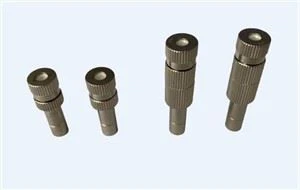
Hey there! If you're in the market for tube clamps, you've come to the right place. I'm a tube clamp supplier, and I'm here to share some tips on how to measure a tube for the right tube clamp. Getting the right fit is super important because a well - fitting tube clamp ensures safety, stability, and proper functionality of your tubes.
Why Measuring the Tube Correctly Matters
Before we dive into how to measure, let's talk about why it's a big deal. Using the wrong size tube clamp can lead to a whole bunch of problems. If the clamp is too big, the tube might rattle around or come loose, which can be dangerous, especially in high - pressure or high - vibration environments. On the other hand, if the clamp is too small, it can damage the tube, restricting the flow inside or even causing cracks over time.
Measuring the Outer Diameter (OD)
The first and most important measurement you need to take is the outer diameter of the tube. This is the distance across the tube, measured from one outer edge to the opposite outer edge. You'll need a good pair of calipers for this job. Calipers are like super - precise rulers that can give you an accurate measurement down to a fraction of a millimeter.
Here's how you do it:
- Open the Calipers: Gently open the calipers wide enough to fit around the tube.
- Place the Calipers on the Tube: Carefully position the calipers so that the measuring jaws are perpendicular to the tube's axis. Make sure they're sitting snugly around the tube.
- Take the Measurement: Once the calipers are in place, close them slowly until they touch the tube on both sides. Then, read the measurement on the caliper scale. If you're using digital calipers, it'll show the measurement right on the screen.
It's a good idea to take a few measurements at different points along the tube. Sometimes, tubes can be slightly irregular in shape, so getting multiple measurements and then taking an average will give you a more accurate result.
Considering the Wall Thickness
While the outer diameter is crucial, you also need to think about the wall thickness of the tube. The wall thickness can vary depending on the type of tube and its intended use. For example, a tube used in a high - pressure system might have a thicker wall than one used in a low - pressure application.
To measure the wall thickness, you can use the calipers again. First, measure the outer diameter as we discussed earlier. Then, measure the inner diameter of the tube. You can do this by inserting the smaller end of the calipers into the tube and opening them until they touch the inner walls. Once you have both the outer and inner diameters, subtract the inner diameter from the outer diameter and then divide the result by 2. That'll give you the wall thickness.


Why is wall thickness important for tube clamps? Well, it affects the overall strength and flexibility of the tube. A tube with a thicker wall can handle more stress, and you might need a different type of clamp to secure it properly.
Types of Tubes and Their Measurement Considerations
There are different types of tubes out there, and each one might require a slightly different approach to measurement.
Metal Tubes
Metal tubes, such as stainless steel or brass, are commonly used in many applications. They're usually very precise in terms of their dimensions, but you still need to measure them carefully. When measuring metal tubes, make sure the calipers are clean and free of any debris. Also, be careful not to scratch the tube surface while taking the measurement.
If you're using metal tubes in a misting or humidification system, you might be interested in 3/8 brass compression fittings. These fittings work well with metal tubes and are often paired with tube clamps for a secure connection.
Plastic Tubes
Plastic tubes are lightweight and easy to work with, but they can be a bit more flexible than metal tubes. When measuring plastic tubes, you need to make sure the tube is in its natural shape. Don't squeeze or stretch it while taking the measurement, as this can give you an inaccurate result.
Plastic tubes are commonly used in misting systems, and you might need Tee Straight And Elbow Fittings to connect them properly. These fittings, along with the right tube clamps, can ensure a leak - free and stable system.
Rubber Tubes
Rubber tubes are flexible and can handle a lot of movement. Measuring rubber tubes can be a bit tricky because they can deform easily. To get an accurate measurement, support the tube so that it's in its normal shape and then take the outer diameter measurement.
For applications where rubber tubes are used, Stainless Steel Male Straight fittings can be a great choice. They can be paired with tube clamps to create a reliable connection.
Choosing the Right Tube Clamp Based on Measurements
Once you have your tube measurements, it's time to choose the right tube clamp. There are different types of tube clamps available, such as hose clamps, spring clamps, and U - bolt clamps.
When selecting a clamp, make sure it's designed to fit the outer diameter of your tube. Most tube clamp manufacturers provide a sizing chart that shows which clamp size is suitable for a specific range of tube outer diameters.
Also, consider the material of the tube clamp. For example, if you're using the tube in a corrosive environment, you might want to choose a stainless - steel or plastic - coated clamp to prevent rust and corrosion.
Additional Tips for Measuring and Clamping
- Check for Tube Tolerances: Tubes can have manufacturing tolerances, which means the actual dimensions might vary slightly from the specified ones. Keep this in mind when choosing a tube clamp and allow for a little bit of flexibility.
- Test the Clamp Fit: Before fully installing the tube clamp, do a test fit. Make sure the clamp can be tightened properly around the tube without causing any damage.
- Follow Installation Instructions: Different tube clamps have different installation methods. Make sure you read and follow the manufacturer's instructions carefully to ensure a proper and secure installation.
Let's Talk Business
If you're looking for high - quality tube clamps that are designed to fit your tubes perfectly, I'm here to help. I've got a wide range of tube clamps in different sizes, materials, and styles to meet your specific needs. Whether you're working on a small DIY project or a large industrial application, I can provide the right tube clamps for you.
Don't hesitate to reach out if you have any questions about measuring your tubes or choosing the right tube clamp. I'm always happy to share my expertise and help you find the best solution.
References
- "Handbook of Tube Fittings and Connectors"
- "Piping Design and Engineering"