In the realm of fire safety and emergency response, fire drills play a crucial role in preparing individuals and organizations to handle real - world fire situations effectively. One of the key tools used in these drills is the fog nozzle. As a fog nozzle supplier, I have witnessed firsthand the diverse applications and benefits of fog nozzles in fire drills.
Understanding the Fog Nozzle
A fog nozzle is a specialized firefighting tool that can produce a fine mist or fog of water droplets. Unlike solid - stream nozzles that produce a concentrated, high - velocity stream of water, fog nozzles disperse water into a wide pattern of small droplets. This unique characteristic gives fog nozzles several advantages in fire - related scenarios.
The design of a fog nozzle typically allows for adjustable patterns. Firefighters can change the nozzle from a wide - angle fog pattern to a more concentrated stream, depending on the nature of the fire and the specific requirements of the situation. This adjustability makes the fog nozzle a versatile tool for various fire control and suppression tasks.
Applications in Fire Drills
Fire Suppression Training
Fog nozzles are invaluable in teaching firefighters the principles of fire suppression. In fire drills, trainees learn how to use the adjustable settings of the fog nozzle to combat different types of fires. For example, in a structure fire drill, a wide - angle fog pattern can be used to create a curtain of water. This curtain helps to cool down hot gases and prevent the spread of fire and smoke through hallways and openings. Trainees practice aiming the fog nozzle correctly to cover a large area and effectively extinguish small fires that simulate real - world events.
When dealing with Class A fires (fires involving ordinary combustibles such as wood, paper, and cloth), the fine droplets created by the fog nozzle can penetrate deep into the fuel source. This penetration helps to cool the fuel and eliminate the heat source, ultimately suppressing the fire. Fire drills allow firefighters to experiment with different water flow rates and fog patterns to determine the most effective way to extinguish Class A fires using the fog nozzle.
Rescue and Evacuation Support
During fire drills, fog nozzles also play a vital role in supporting rescue and evacuation operations. The fog created by the nozzle can act as a shield, protecting firefighters and evacuees from heat and smoke. In a simulated fire situation, firefighters use the fog nozzle to create a safe passage for people to evacuate. The fog cools the air and reduces visibility of the smoke, making it easier for people to find their way out of the building.
Moreover, the fog can be used to protect firefighters as they search for victims. By creating a fog barrier between themselves and the fire, firefighters can reduce the risk of heat exposure and improve their chances of safely reaching and rescuing trapped individuals. Fire drills provide a platform for firefighters to perfect these rescue - support techniques using fog nozzles.
Smoke Ventilation Assisting
In many fire drills, smoke ventilation is a critical aspect of the training. Fog nozzles can be used to assist in this process. When a high - velocity fog stream is directed towards the ceiling or into a smoke - filled area, it can stir up the smoke and help to move it out of the building. This is especially useful in large, enclosed spaces such as warehouses or industrial buildings.
The movement of the fog disrupts the stagnant layer of smoke, creating a flow that can be channeled towards ventilation openings. Firefighters in the drill practice coordinating the use of fog nozzles with other ventilation methods, such as mechanical fans or opening windows and doors, to achieve efficient smoke removal. This not only improves visibility for firefighters but also helps in preventing smoke inhalation by evacuees.
Cooling Hot Surfaces
In a fire situation, many surfaces can become extremely hot, posing a risk of reigniting the fire or causing burns to firefighters. Fog nozzles are excellent for cooling these hot surfaces. In fire drills, trainees learn how to use the fog nozzle to direct a fine mist onto hot walls, floors, and ceilings. The small water droplets quickly evaporate upon contact with the hot surfaces, absorbing a large amount of heat in the process.
This cooling effect helps to prevent the spread of fire to adjacent areas and reduces the risk of structural damage. For example, in a drill simulating a kitchen fire, the fog nozzle can be used to cool down the stovetop, oven, and surrounding cabinets, preventing the fire from spreading further. Firefighters practice adjusting the fog pattern and water flow rate to achieve optimal cooling results without causing excessive water damage.
Our Product Range
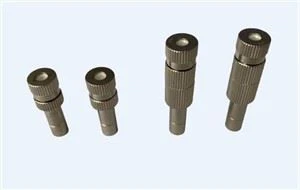
As a fog nozzle supplier, we offer a wide range of high - quality fog nozzles suitable for various fire drill scenarios. Our Cooling System Nozzle is designed to produce a fine, even mist, making it ideal for creating cooling curtains and suppressing small fires. It is made from durable materials, ensuring long - term use and reliability.
The Nickel Plated Water Nozzle With Filter in our catalog provides an added layer of protection against debris. The filter prevents clogging, which is crucial in maintaining a consistent water flow during fire drills. The nickel - plated finish also enhances the nozzle's resistance to corrosion, making it suitable for use in different environments.
Our Outdoor Cooling System Nozzle is perfect for large - scale fire drills in open spaces. It can cover a wide area with a powerful fog stream, making it effective for tasks such as smoke ventilation and large - scale fire suppression during outdoor simulations.
Why Choose Our Fog Nozzles for Fire Drills
Quality and Durability
Our fog nozzles are manufactured using high - grade materials and advanced production techniques. This ensures that they are built to last, even under the harsh conditions of fire drills. The nozzles can withstand high water pressures and repeated use without losing their functionality or performance.


Versatility
As mentioned earlier, our fog nozzles offer adjustable patterns, allowing for a wide range of applications in fire drills. Whether it's creating a fine fog for suppressing small fires or a concentrated stream for cooling hot surfaces, our nozzles can be easily adjusted to meet the specific requirements of each drill scenario.
Ease of Use
Firefighters need equipment that is easy to handle, especially during high - stress situations like fire drills. Our fog nozzles are designed with ergonomics in mind. They have comfortable grips and simple controls, enabling firefighters to quickly adjust the nozzle settings and direct the water flow accurately.
Cost - effectiveness
We understand the importance of cost - effectiveness in fire safety training. Our fog nozzles are priced competitively without compromising on quality. By choosing our products, fire departments and training institutions can equip their firefighters with high - quality tools while staying within their budget.
Contact Us for Procurement
If you are involved in fire safety training, such as organizing fire drills or training firefighters, our fog nozzles can be an excellent addition to your equipment arsenal. We are committed to providing top - notch products and excellent customer service. Contact us to discuss your specific requirements, and we will be happy to assist you in selecting the right fog nozzles for your fire drill needs. Let's work together to ensure effective fire safety training and preparedness.
References
- National Fire Protection Association (NFPA). (202X). NFPA standards for Firefighting Equipment and Training.
- Fire Engineering Magazine. Various issues on Firefighting Tools and Techniques.
- International Association of Fire Chiefs. Guide to Fire Drill Best Practices.